

Unlike conventional hydrogen made from natural gas, green hydrogen is produced by using renewable electricity to split water into hydrogen and oxygen. The process to create green hydrogen is much less carbon-intensive than conventional hydrogen. Green ammonia, created by combining green hydrogen with nitrogen from the air, is a versatile clean fuel that can be used in agriculture, shipping, and global energy trade.
Canada’s Emissions Reduction Plan identifies low carbon hydrogen as a critical solution, with adoption projected to contribute 10 per cent of the total reductions needed by 2030. To meet this target, Canada must produce up to approximately 15 million tonnes of annual clean hydrogen production, positioning the country as a global leader in the clean energy transition.
Why It’s Important
- Industry: Low carbon (green) hydrogen can replace fossil fuel (grey) hydrogen produced from coal, oil, and natural gas in heavy industry, cutting emissions and pollution.
- Shipping and Transport: Green ammonia is emerging as a clean fuel for ships, helping decarbonize long-distance travel.
- Agriculture: Green ammonia provides a low-carbon alternative for fertilizer produced using fossil fuels today, supporting sustainable food systems.
- Energy Security: Green ammonia can be transported using existing global infrastructure, making it a practical carrier of clean energy. For Canada, this means greater energy security through a reliable domestic supply of clean fuels to power industry, support economic growth, and reduce reliance on imported fossil fuels.
EverWind’s Role
EverWind is developing the Point Tupper Green Fuels Project in Nova Scotia and the Burin Peninsula Green Fuels Project in Newfoundland and Labrador. These facilities will use new renewable wind and solar power to produce cost-competitive low carbon hydrogen and ammonia for global and domestic markets.
EverWind is applying proven practices based on vigorous engineering standards. Canada already produces millions of tonnes of ammonia safely each year, and EverWind’s operations are designed to build on that track record with the added goal of producing a clean, renewable power source.
Climate Benefits
Conventional ammonia production contributes more than 420 million tonnes of CO₂ globally every year. Producing green ammonia is much less carbon-intensive. Once operational, it is expected that the The Point Tupper Green Fuels Project alone, will have the capacity to produce approximately 200,000 tonnes of green ammonia annually and is expected to reduce global emissions by around 500,000 tonnes at full capacity. This is equal to taking more than 100,000 cars off the road. Over the facility’s lifetime, this has the potential of avoiding 15 million tonnes of emissions.
Offtake & Demand
Green hydrogen and ammonia are rapidly emerging as key drivers of the global clean energy transition. Their growing adoption underscores their essential role in achieving sustainability goals, reducing emissions, and supporting a low-carbon future. In addition, green ammonia’s potential as an energy carrier and storage medium provides a stable and efficient way to store and transport renewable energy.
The offtake agreements for green hydrogen and ammonia are essential in driving their market growth. These agreements, typically long-term contracts between producers and consumers, ensure a steady demand and supply balance. They play a crucial role in financing and developing green hydrogen and ammonia projects by providing financial stability and attracting investments. As more companies and governments commit to reducing their carbon footprints, the number of offtake agreements is expected to rise, further bolstering the clean fuels markets.
Together, the growing demand for green hydrogen and ammonia, combined with strategic offtake agreements, is accelerating the adoption of these sustainable energy solutions. Their applications across various sectors and their potential to significantly reduce carbon emissions make them indispensable in the global transition to a low-carbon economy.
A Global and Local Opportunity
Scaling up green hydrogen and ammonia production is not only about reducing emissions – it’s also about building new economic opportunities in Nova Scotia and Newfoundland and Labrador. By producing clean fuels for export and exploring opportunities for local use, EverWind is helping Canada compete in the global shift to a low carbon economy.
We believe Atlantic Canada can supply the world — safely, cleanly, and proudly.
Our Projects
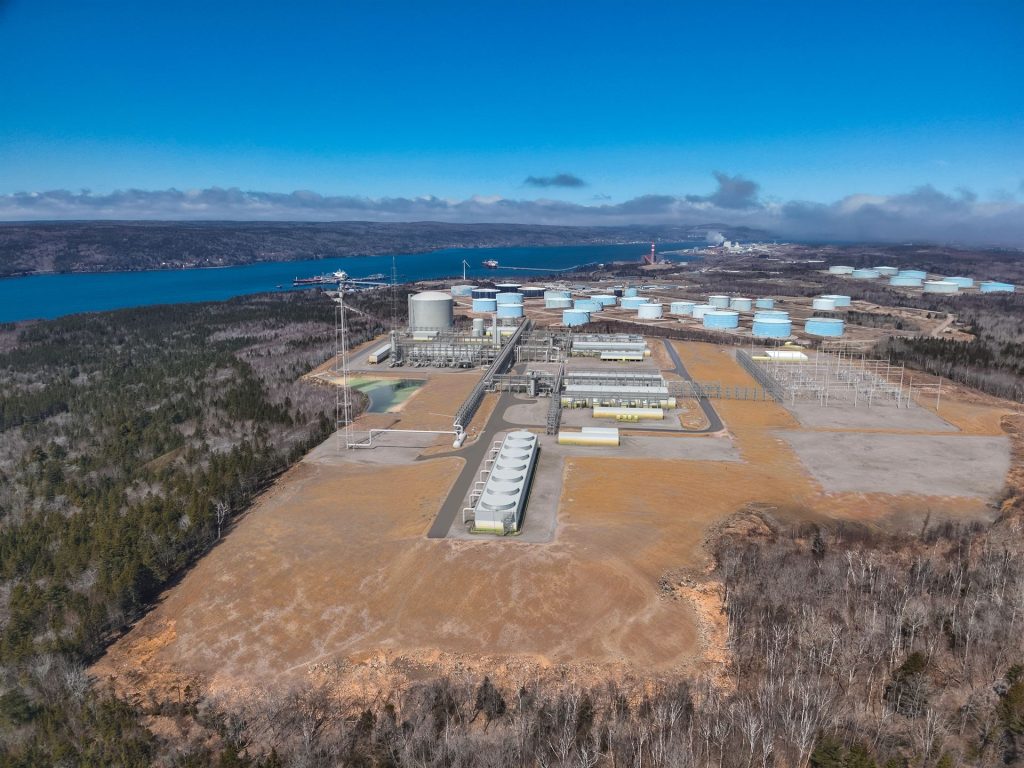
Point Tupper Green Fuels Project
EverWind, in partnership with Mi’kmaq First Nation communities of Paqtnkek, Potlotek, and Membertou, is jointly developing, constructing, and operating the Point Tupper Green Fuels Project. This is an industry-leading clean energy initiative and the first of its kind in Canada.
Bear Lake Wind Project
In partnership with Membertou First Nation, the Bear Lake Wind Project will generate up to 88 MW of wind energy across West Hants Regional Municipality, the Municipality of the District of Chester, and Halifax Regional Municipality in Nova Scotia. The project received Environmental Assessment Approval in December 2023.
Kmtnuk Wind Project
In partnership with Membertou First Nation, the Kmtnuk Wind Project will generate up to 128 MW of wind energy in the Municipality of Colchester, Nova Scotia. The project received Environmental Assessment Approval in December 2023.
Windy Ridge Wind Project
In partnership with Mi’kmaq First Nation communities of Paqtnkek, Potlotek, and Membertou, the Windy Ridge Wind Project will generate up to 376 MW of wind energy in the Municipality of Colchester, Nova Scotia. The project received Environmental Assessment Approval in July 2024.
Upper Afton Wind Project
In partnership with First Nations, the Upper Afton Wind Project will generate up to 176 MW of wind energy across the Municipality of the County of Antigonish and the Municipality of the District of Guysborough, Nova Scotia. The project’s Environmental Assessment was registered in March 2026.
Guysborough Wind Projects
As Phase 2 of EverWind’s wind farm developments, the Guysborough Wind Projects, Setapuktuk Wind Project, Wind Farm 2, and Wind Farm 3, will deliver up to 2.5 GW of clean power in partnership with First Nations. These projects will generate lasting local benefits, create jobs, and power EverWind’s Point Tupper Green Fuels Project, connected via the Strait Crossing Transmission Line Project.
Burin Peninsula Green Fuels Project
The Burin Peninsula Green Fuels Project will bring up to 3 GW of new wind and solar development to Newfoundland and Labrador to produce green hydrogen and ammonia using renewable electricity from wind and solar energy, without drawing power from the provincial grid.
